

Advanced manufacturing capabilities now produce complete high-rise steel systems capable of supporting heavy industrial loads at significant heights. Primary columns fabricated from ultra-high-strength steel alloys achieve the load capacities necessary for multi-ton equipment while maintaining slender profiles that maximize rentable floor area. Connection systems are engineered for rapid assembly without sacrificing the structural redundancy required for high-rise industrial applications.
Foundation engineering has evolved to support concentrated loads from tall industrial structures. Deep foundation systems are precisely coordinated with column locations to transfer building loads efficiently while accommodating basement-level loading docks and material handling systems. The integration of foundation elements with prefabricated steel components enables accelerated below-grade work concurrent with off-site manufacturing.
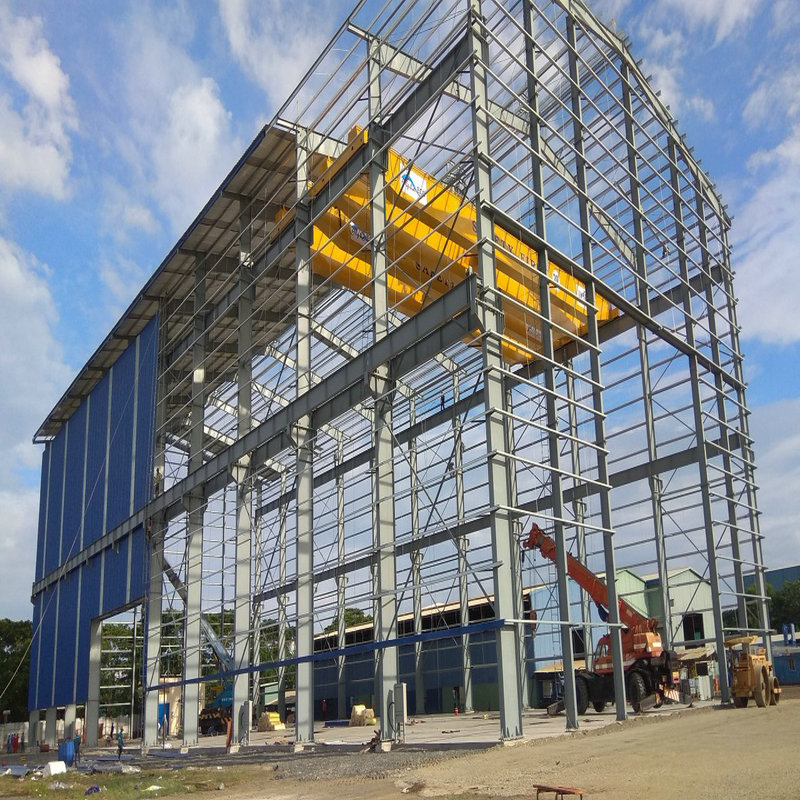
Structural systems employ advanced load distribution strategies to manage the unique demands of high-rise manufacturing. Outrigger systems at mechanical levels transfer lateral loads while accommodating the heavy floor loads characteristic of industrial operations. Core structures integrate freight elevator shafts, emergency stairs, and utility risers into the lateral force-resisting system, optimizing structural efficiency while supporting vertical logistics.
Floor systems are engineered for the dual demands of heavy loads and vibration control. Composite steel-concrete decks achieve load capacities exceeding 150 kilograms per square meter while maintaining floor flatness suitable for automated equipment. Isolated floor zones accommodate precision manufacturing operations on upper levels, with vibration attenuation systems preventing interference from heavy machinery operating elsewhere in the building.
Vertical transportation infrastructure is integrated directly into the steel framework during fabrication. Freight elevator hoistways are formed by steel sections with pre-installed guide rails and door openings coordinated with floor elevations. Dedicated material hoist zones are incorporated into the structural grid, allowing construction hoists to transition to permanent material handling systems as the building nears completion.
Construction sequencing achieves new efficiencies through prefabricated megamodules that combine structure with building systems. Complete floor sections arrive on site with mechanical, electrical, and plumbing distribution already installed within floor depths. These modules are lifted into position by tower cranes capable of placing multi-ton assemblies with millimeter precision, reducing on-site labor requirements by approximately 65 percent.
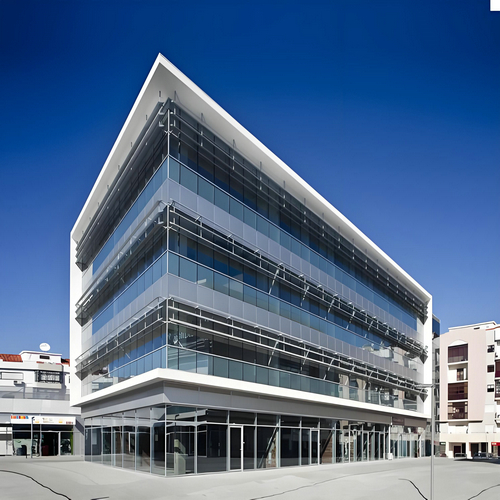
Loading and logistics are engineered into the building at every level. Truck access at multiple floors is achieved through helical ramps integrated into the structural frame or through dedicated loading platforms supported by transfer structures. Dock levelers and loading equipment are coordinated with floor elevations to ensure efficient material flow throughout the building height.
Environmental performance is enhanced through integrated building systems designed for high-rise industrial applications. Façade systems pre-attached to steel panels achieve superior air and water penetration resistance while providing thermal performance appropriate for manufacturing environments. Energy recovery systems integrated into mechanical cores reduce operational costs while maintaining ventilation requirements for industrial operations.
Fire protection strategies are coordinated with the prefabricated steel structure. Intumescent coatings applied during fabrication provide fire resistance without requiring additional field-applied materials. Compartmentation strategies are integrated into floor and wall assemblies during manufacturing, ensuring that fire safety systems are built into the structure rather than added after assembly.
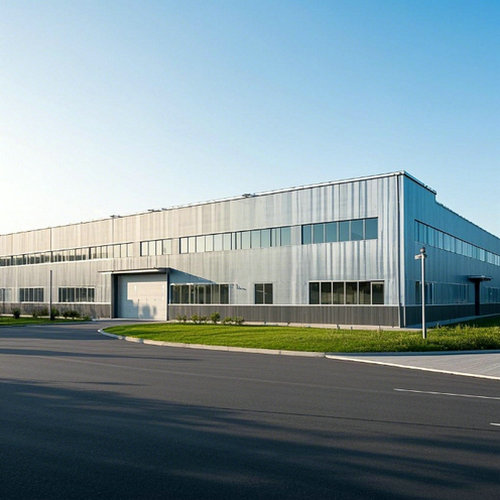
As urban populations grow and the need for localized manufacturing increases, prefabricated steel high-rise factories are establishing a new typology for industrial development. The combination of structural innovation, construction efficiency, and integration with urban infrastructure positions these vertical industrial facilities as essential components of sustainable metropolitan growth, enabling manufacturing to remain viable within the cities it serves.