

Factory-based manufacturing now produces complete multi-story steel building systems with integrated industrial infrastructure. Floor cassettes arrive on site with embedded crane rails, equipment anchoring points, and utility distribution networks pre-installed. Column sections incorporate connection interfaces designed for rapid assembly while maintaining the structural integrity required for heavy industrial loads.
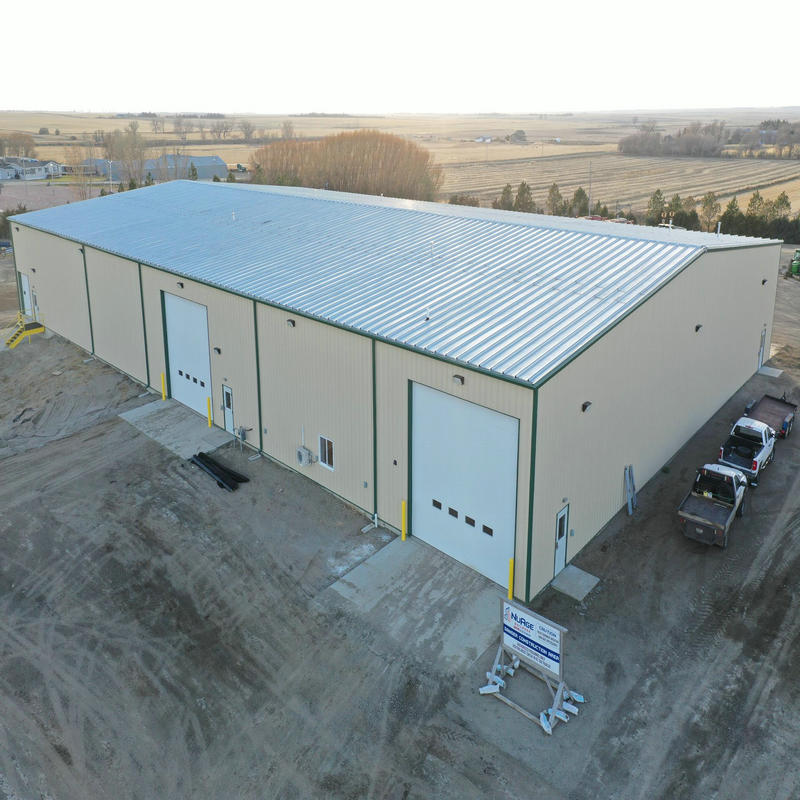
Structural engineering has advanced to support the unique demands of multi-story manufacturing. Higher-strength steel alloys enable slimmer column profiles that maximize usable floor area while supporting floor loads exceeding standard commercial requirements. Vibration control systems integrated into floor structures isolate manufacturing activities between levels, allowing precision operations on upper floors without interference from heavy machinery below.
Construction sequencing achieves unprecedented efficiency through modular assembly strategies. Prefabricated steel megacolumns spanning multiple stories are erected first, followed by floor cassettes lifted into position by tower cranes. This approach eliminates the sequential floor-by-floor construction typical of conventional multi-story buildings, compressing overall project timelines by approximately 50 percent.
Floor-to-floor heights are optimized for manufacturing requirements through coordinated structural and mechanical design. Integrated service zones within floor depths accommodate extensive ventilation, compressed air, and process piping without sacrificing clearance for equipment. Clear heights between floors can be varied according to specific production needs, with taller bays accommodating large machinery and standard heights for assembly and warehousing functions.
Vertical logistics are integrated into the structural framework during fabrication. Dedicated steel sections are pre-configured to accommodate freight elevators, material hoists, and conveyor systems that move raw materials and finished goods between levels. Loading dock interfaces are coordinated with floor elevations to ensure seamless truck access at each manufacturing level.
Heavy load paths are engineered into the steel framework with precision. Concentrated loads from stamping presses, injection molding machines, and other industrial equipment are calculated and accommodated through reinforced floor zones and load-distributing structural grids. Crane systems operating at upper levels are supported by structural elements designed specifically for overhead lifting operations.
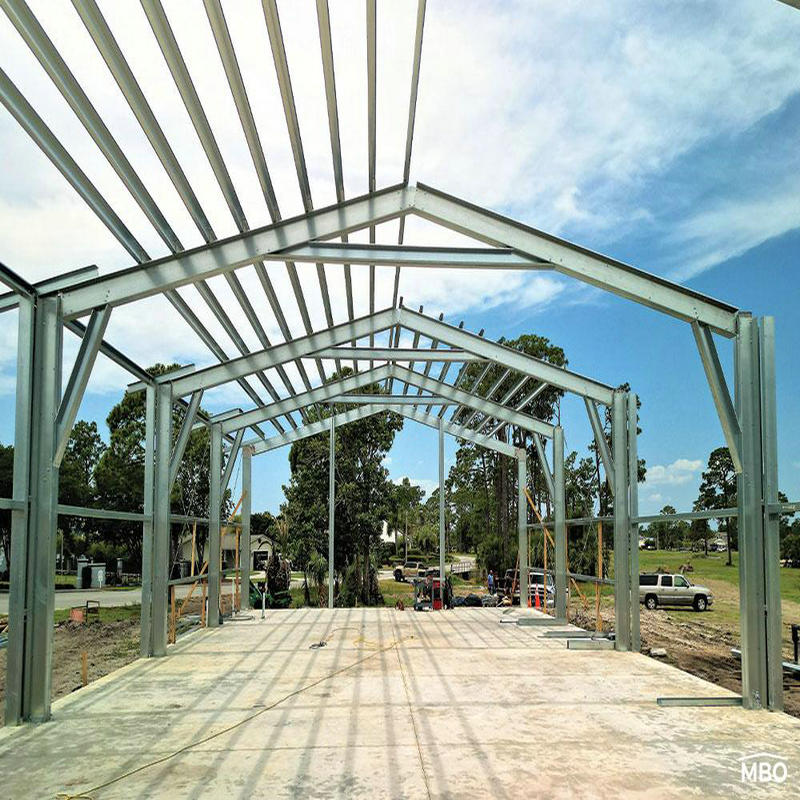
Sustainability features are embedded throughout the prefabricated structure. Natural ventilation strategies are enabled through operable wall sections integrated into steel panels, reducing mechanical system requirements during moderate weather. Solar-ready roof structures accommodate photovoltaic arrays that offset operational energy demands. Rainwater collection systems integrated into column drainage channels support non-potable industrial water needs.
Material efficiency reaches advanced levels through digital optimization of steel consumption. Structural grids are analyzed and refined to eliminate excess material while maintaining required load capacities. Connections are engineered for maximum efficiency, reducing the weight and complexity of steel frames compared to conventionally designed structures.
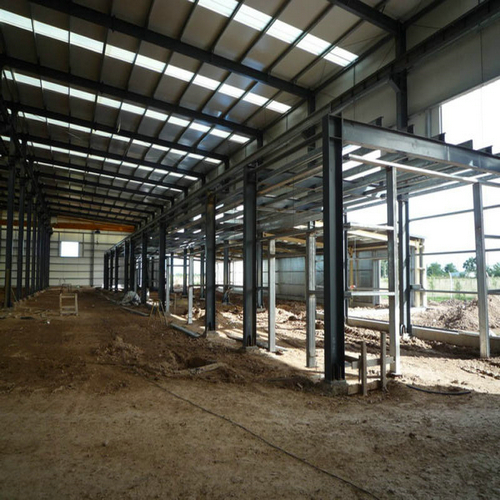
As urban manufacturing continues its resurgence and industrial land becomes increasingly constrained, prefabricated steel multi-story factories offer a viable path for vertical industrial development. The combination of structural efficiency, construction speed, and integrated infrastructure positions this building type as an essential solution for meeting manufacturing capacity needs within dense urban environments while maximizing the productive potential of limited industrial sites.