

The industrial construction sector is experiencing a paradigm shift as prefabricated steel factories become the standard for rapid, cost-effective manufacturing facility deployment. This building method combines factory precision with accelerated on-site assembly to meet urgent industrial capacity demands.
Digital design integration begins the process, where structural engineering models feed directly into automated fabrication equipment. Steel members are cut, drilled, welded, and coated without manual intervention, achieving tolerances impossible with field-based methods. Each component receives a unique identification code linked to its digital twin, enabling precise tracking from production through installation.
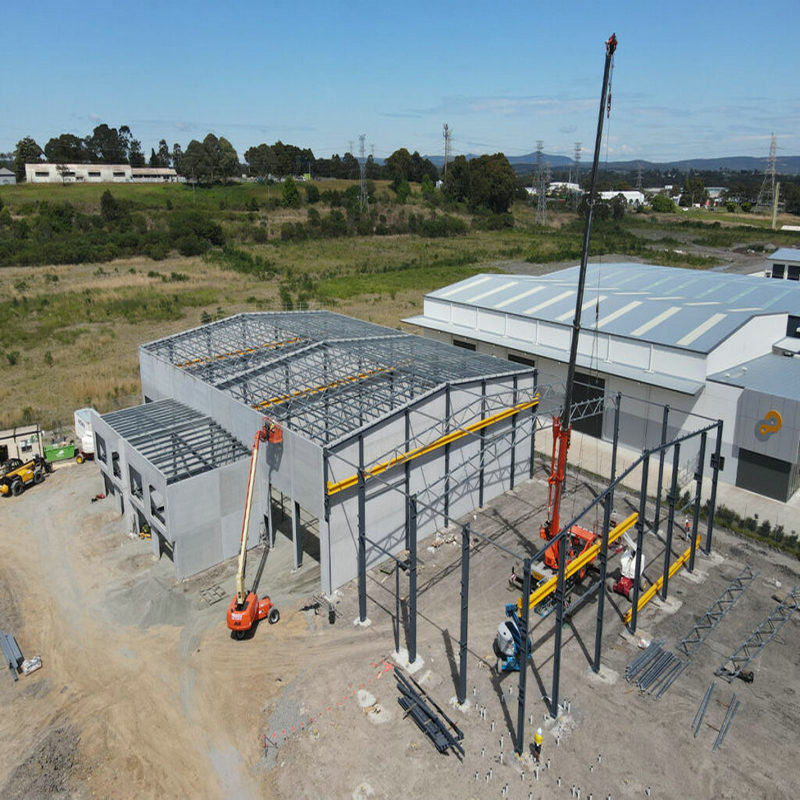
Component manufacturing occurs simultaneously with site preparation, eliminating the sequential dependencies that extend conventional construction schedules. Foundation work proceeds while steel sections are fabricated, and building enclosure systems are assembled in parallel with structural production. This overlapping workflow compresses overall project timelines by as much as 55 percent compared to traditional approaches.
Connection systems have evolved to simplify field assembly while maintaining structural integrity. Bolted connections with pre-aligned holes eliminate the need for field drilling or reaming, while self-locating features guide components into correct positions. These design innovations reduce crane time and minimize the skilled labor required for assembly.
Building envelope integration occurs at the manufacturing stage, with insulated panels factory-attached to steel framing members. Windows, louvers, and personnel doors are pre-installed in wall sections, complete with flashed and sealed penetrations. Roof assemblies arrive as complete cassettes with insulation, membrane, and standing seams already applied, ready for immediate placement.
Material handling systems are coordinated with structural design during prefabrication. Crane runway beams are pre-welded to columns with exact alignment for rail installation. Conveyor support brackets and equipment anchorage points are incorporated into steel members based on production line layouts finalized before fabrication begins.
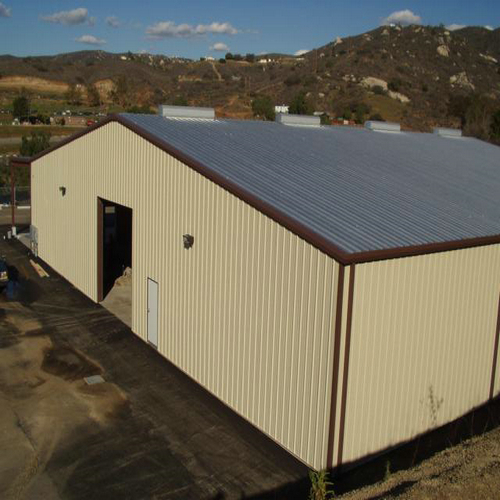
Utility distribution benefits from factory-installed pathways within structural elements. Openings for electrical conduits, compressed air lines, and process piping are pre-cut with laser accuracy. Cable trays and pipe supports are welded in place during fabrication, eliminating field measurement and attachment work.
Quality verification occurs continuously throughout the manufacturing process. Welds undergo non-destructive testing before components leave the factory. Dimensional inspections confirm that every piece matches its digital specification. Coating thickness and adhesion are verified to ensure long-term corrosion protection.
Logistical coordination sequences component delivery to match erection progress. Steel arrives on site in the order required for assembly, with no need for laydown areas or material sorting. Just-in-time delivery minimizes on-site storage requirements and reduces material handling costs.
Erection proceeds according to digital assembly sequences displayed on mobile devices for crane operators and installation crews. Each component's identification code links to three-dimensional placement instructions, eliminating confusion about positioning or orientation. Progress tracking through the digital twin enables real-time schedule adjustment as conditions change.
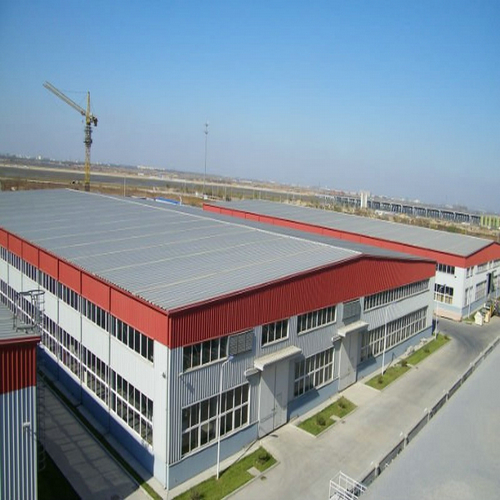
As global manufacturing capacity expands to meet rising demand, prefabricated steel factories offer the speed, precision, and efficiency required for competitive industrial development. The integration of digital design, automated fabrication, and systematic assembly establishes new benchmarks for how production facilities are conceived and delivered.