

Manufacturing facilities now produce complete agricultural building systems designed specifically for farm environments. Steel columns and trusses are fabricated with corrosion-resistant coatings that withstand exposure to fertilizers, manure gases, and moisture common in agricultural settings. Wall and roof panels arrive on site with insulation pre-installed, eliminating field assembly of separate components.
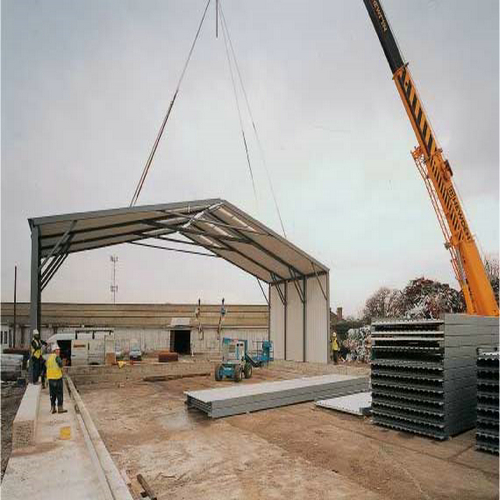
Equipment storage benefits from clear-span steel framing that maximizes usable floor area. Machinery bays free of interior columns accommodate large tractors, combines, and implements without maneuvering restrictions. Tall door openings are pre-framed into wall panels during fabrication, with overhead door tracks and hardware attached at the factory.
Livestock housing requirements are addressed through integrated ventilation and environmental control features. Steel framing includes pre-engineered attachments for curtain systems, exhaust fans, and air inlet baffles. Manure management systems are coordinated with column spacing to accommodate scraping equipment or slatted floor support structures.
Crop storage and processing facilities utilize steel's moisture-resistant properties for grain bins, drying floors, and handling equipment enclosures. Welded steel hopper bottoms integrate with column support systems for elevated storage. Auger and conveyor supports are pre-attached to steel members based on facility-specific material flow designs.
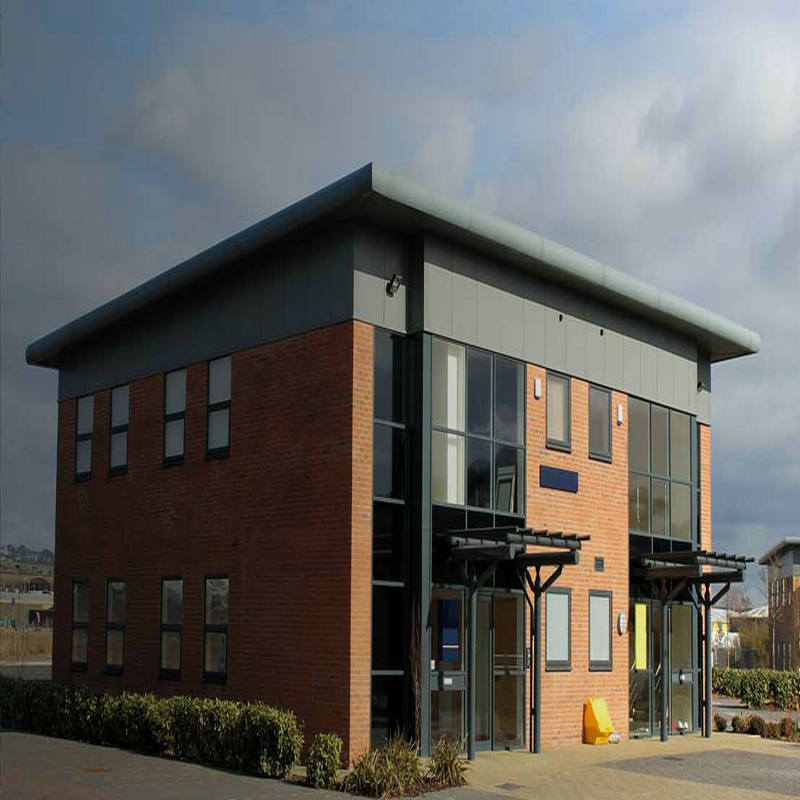
Construction timelines for agricultural buildings are compressed through prefabrication that allows erection during narrow weather windows between planting and harvest seasons. A complete equipment shed or livestock barn can be enclosed within two weeks of component delivery, allowing farm operations to continue with minimal disruption.
Energy efficiency in agricultural buildings has improved through factory-assembled insulated panel systems. Continuous insulation layers eliminate thermal bridging through steel framing, reducing heating costs for livestock housing and cooling costs for crop storage. Reflective interior surfaces improve light distribution while reducing artificial lighting requirements.
Expansion capability is built into prefabricated agricultural systems through standardized connection interfaces. Future bays attach to existing structures without modification, allowing farm operations to grow incrementally as needs change. Door and window openings are pre-framed into wall panels at regular intervals, simplifying future equipment access requirements.
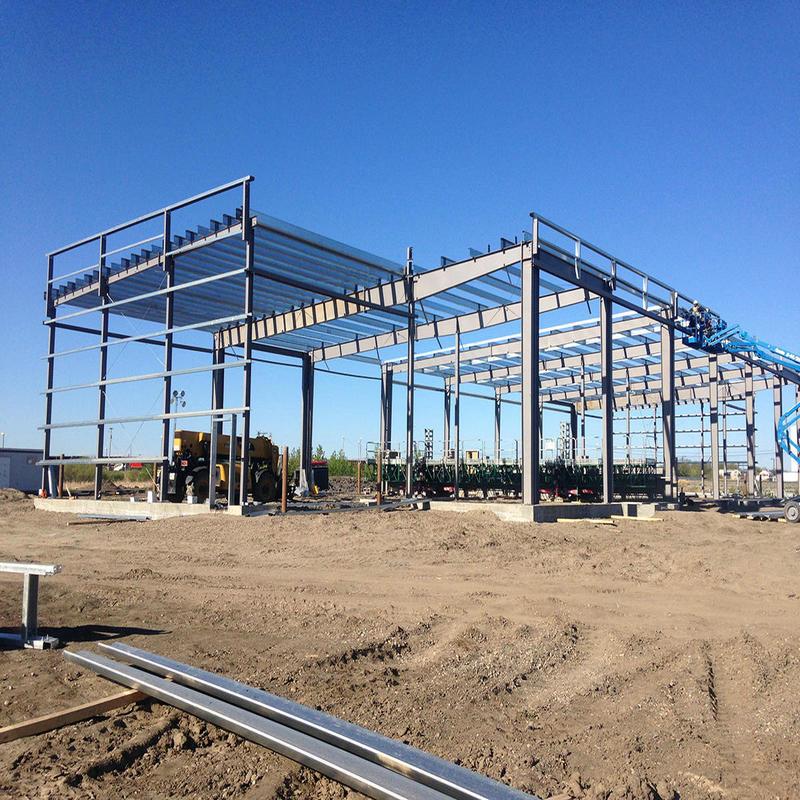
Durability testing verifies that prefabricated steel agricultural buildings withstand the unique demands of farm environments. Accelerated corrosion testing simulates decades of exposure to agricultural chemicals and moisture. Structural load testing confirms roof capacities for grain storage and snow loads common in farming regions.
As farm operations continue consolidating and equipment sizes increase, prefabricated steel agricultural buildings offer the clear spans, durability, and rapid construction required for modern agriculture. The combination of factory precision, agricultural-specific features, and accelerated delivery positions this building method for continued adoption across the farming sector.