

Transportation innovations have extended the reach of prefabricated steel components to distant job sites. Flatbed trucks, rail cars, and shipping containers now carry complete building systems thousands of kilometers from manufacturing facilities to project locations. Component sizes are optimized for available transport routes while maintaining structural efficiency and assembly simplicity.
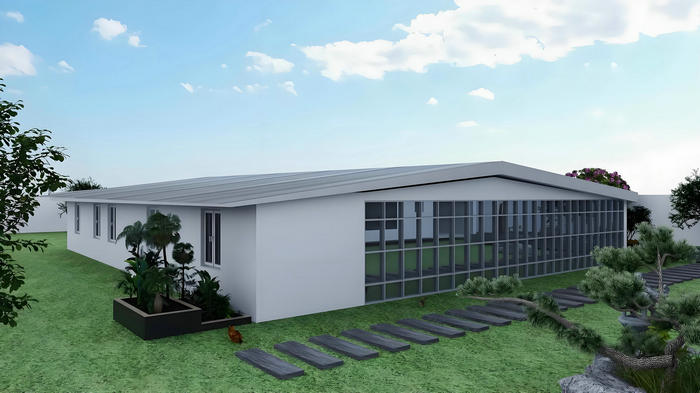
Site assembly in remote areas benefits from reduced labor requirements compared to conventional construction. A small crew with mobile lifting equipment can erect a complete building enclosure within days of component delivery. This efficiency eliminates the need for large on-site workforces and the associated housing, catering, and support facilities required for extended remote projects.
Foundation adaptation for challenging soil conditions is simplified through lightweight steel framing that reduces bearing pressure requirements. Prefabricated buildings exert significantly less dead load than concrete or masonry alternatives, allowing foundation systems to be scaled down for poor soil conditions. This weight advantage is particularly valuable in areas with limited access to deep foundation materials.
Weather resilience is achieved through rapid enclosure that protects interior work from exposure. The building envelope becomes weather-tight within days of steel delivery, allowing electrical, mechanical, and finish work to proceed under protected conditions. This accelerated schedule eliminates the weather delays that typically extend remote construction timelines.
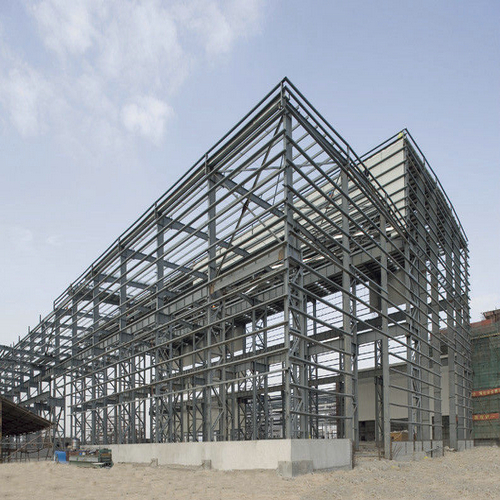
Energy independence is supported through integrated system attachments prefabricated into steel members. Solar panel mounting brackets, generator connection points, and battery storage supports are incorporated during fabrication based on site-specific power requirements. This integration allows remote facilities to operate off-grid while maintaining the structural integrity of the building envelope.
Material efficiency is maximized through precision fabrication that eliminates the waste typical of remote construction sites. Components arrive pre-cut, pre-drilled, and pre-welded, requiring no field modification or scrap generation. Any minor off-cuts are segregated for recycling rather than accumulating as site waste requiring removal from remote locations.
Logistical coordination for remote projects includes contingency planning for transport disruptions. Critical connection components are duplicated across multiple shipments to ensure assembly can continue if any single delivery is delayed. Fastener kits and small parts are over-supplied to account for potential loss during transport or handling in challenging conditions.

Inspection and verification processes are adapted for remote quality control. Digital documentation of fabrication, coating, and assembly replaces extensive on-site inspection requirements. Photographic records and sensor data from manufacturing are accepted for compliance verification, reducing the need for specialized inspectors to travel to project locations.
As development pressures extend to increasingly remote regions, prefabricated steel building systems offer a practical solution for delivering durable, efficient structures in logistically challenging environments. The combination of transportable components, reduced labor requirements, and accelerated assembly positions this construction method as the preferred approach for projects beyond conventional infrastructure networks.