

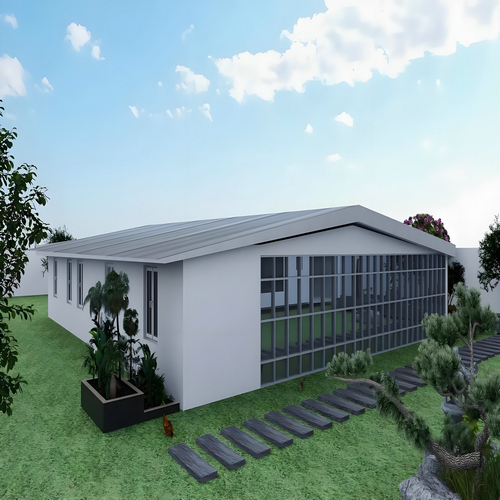
Manufacturing processes have reached new levels of sophistication with the implementation of fully automated production lines. Steel components are now precision-cut, drilled, and coated under continuous computer control, ensuring consistent quality while eliminating human error. The factory environment allows for year-round production weather constraints, maintaining steady supply chains regardless of seasonal conditions.
Transportation logistics have evolved to accommodate increasingly complex prefabricated elements. Flatbed deliveries now bring complete wall sections, roof cassettes, and integrated floor decks to job sites, where they are lifted into position by mobile cranes. This method significantly reduces the number of individual pieces requiring field assembly, accelerating enclosure completion and allowing interior trades to begin work weeks earlier than the traditional method allows.
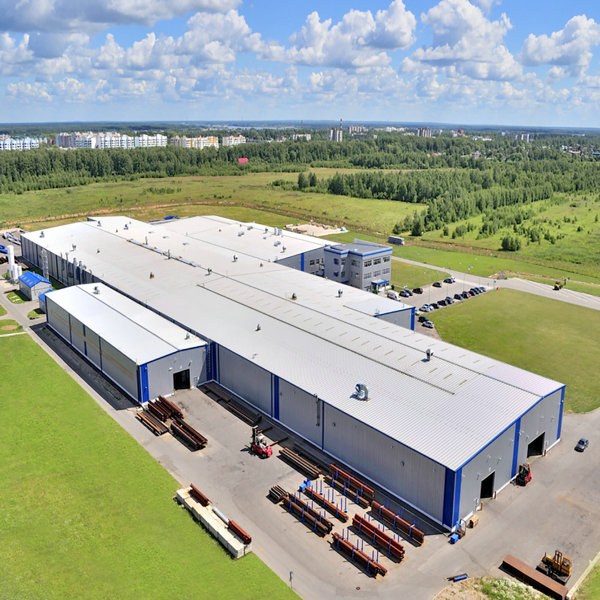
Quality assurance benefits substantially from controlled manufacturing conditions. Welds undergo automated ultrasonic testing before leaving the factory, connections are verified through digital imaging, and protective coatings are applied in climate-controlled chambers. This transfer of quality control from field to factory eliminates weather-related defects and ensures consistent long-term performance.
Material efficiency reaches unprecedented levels through computer-optimized cutting patterns that minimize waste. Steel coils and sheets are nested digitally to achieve material utilization rates exceeding 95%, with remnants systematically cataloged for future small-scale projects. This precision reduces both costs and environmental impact while conserving resources.
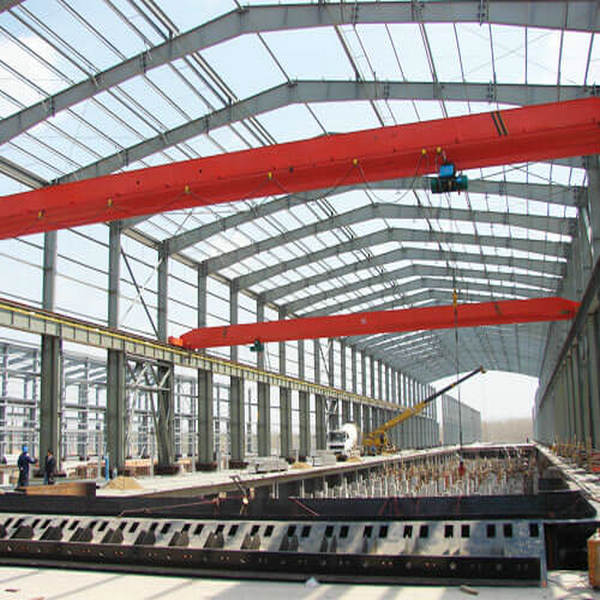
The economic advantages extend beyond faster construction timelines. Reduced field labor requirements, lower financing costs due to shorten the project cycle, and minimized waste disposal expenses combine to deliver compelling value propositions. Insurance providers increasingly recognize the reduced risks associated with controlled manufacturing, often offering premium adjustments for prefabricated steel buildings.
As urban populations grow and demand for rapid infrastructure development intensifies, prefabricated steel construction continues to gain momentum. The convergence of digital design, automated manufacturing, and efficient logistics positions this building method as a cornerstone of future urban development strategies worldwide.