

The prefabricated steel construction sector is undergoing a paradigm shift through the adoption of full-chain digital integration, transforming how buildings are designed, manufactured, and assembled. Unlike traditional modular approaches, this new model synchronizes architectural design, structural engineering, fabrication, and logistics within a unified digital platform—enabling seamless coordination from concept to completion.
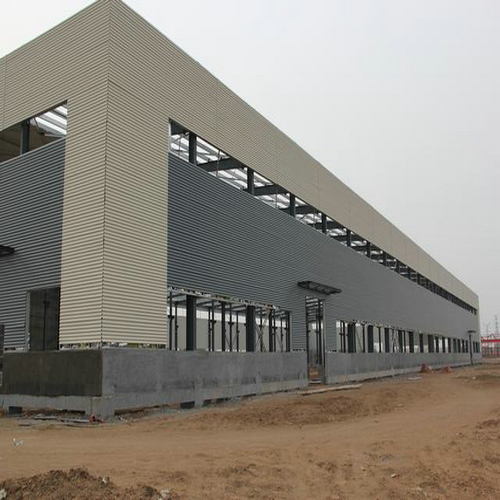
A breakthrough lies in the development of intelligent steel modules. These units are manufactured with embedded sensors, pre-installed mechanical and electrical systems, and self-monitoring connections that verify structural integrity upon assembly. Each module carries a digital twin that tracks its lifecycle—from factory production and transportation to on-site installation and eventual disassembly—ensuring complete material traceability and enabling circular reuse.
Construction sites now function as precision assembly hubs, where digitally-guided robotic cranes position multi-ton modules with millimeter accuracy. This method reduces on-site labor by approximately 70% and cuts project timelines by up to 60% compared to conventional steel construction. The approach also dramatically lowers noise, waste, and disruption—making it particularly suitable for dense urban environments and sensitive logistical zones.
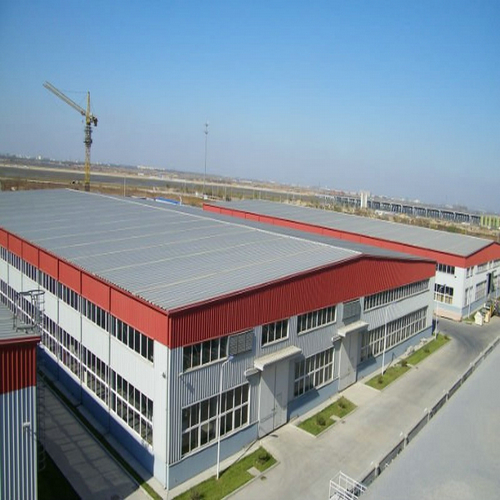
Environmental performance is enhanced through biologically integrated facades that are pre-mounted onto steel modules. These living cladding systems, consisting of drought-resistant plants and air-purifying mosses, are supported by lightweight steel substrates and automated irrigation channels embedded within the structural panels. This integration enables buildings to actively contribute to urban biodiversity and microclimate regulation from the moment of completion.
Furthermore, the latest prefabricated systems utilize graded steel alloys tailored for specific structural roles—higher-strength variants for load-bearing members and lighter, more flexible alloys for non-structural components. This material optimization reduces total steel consumption by 25–40% while maintaining structural performance, pushing the boundaries of sustainable material use.
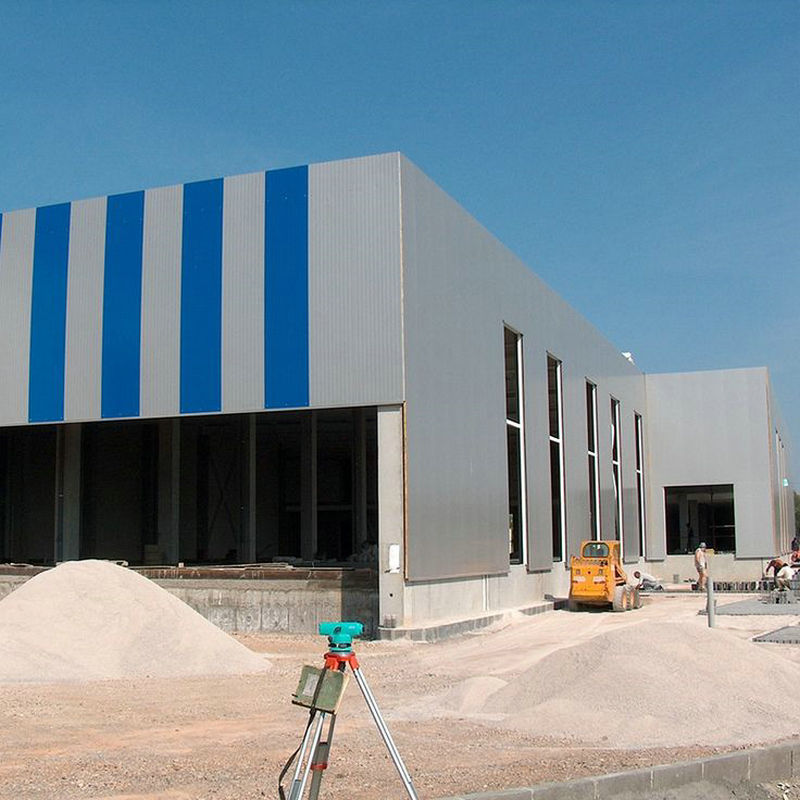
This evolution represents more than a construction upgrade—it signals the arrival of digitally-native, ecology-responsive architecture delivered through industrialized precision. As urbanization and sustainability demands intensify, prefabricated steel construction is poised to redefine not only how buildings are made, but how they interact with their environments throughout their entire lifecycle.