

Manufacturing facilities now produce complete hangar building systems with aviation-specific features integrated during fabrication. Clear-span steel trusses are fabricated in sections that assemble on site to create column-free interiors exceeding 100 meters in width. Door frame assemblies arrive pre-welded with track systems for large-scale hangar doors capable of accommodating wing spans of modern commercial aircraft.
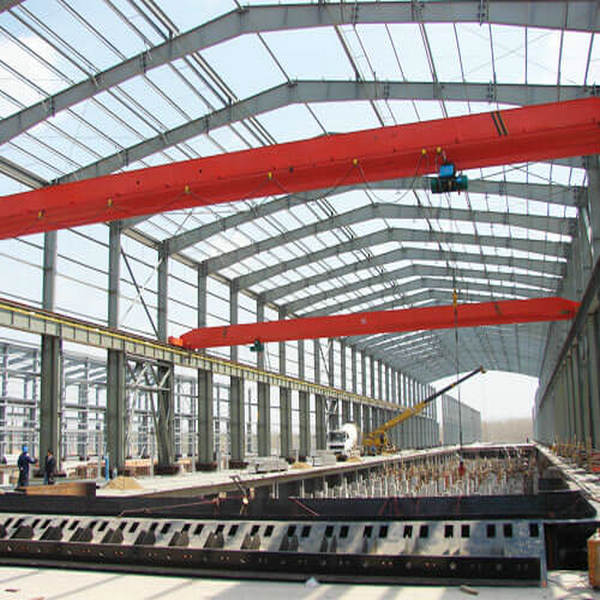
Aircraft access integration begins during component fabrication rather than after building completion. Floor embed plates for mobile maintenance platforms are coordinated with column base locations based on aircraft parking configurations. Ground power unit connection points and preconditioned air outlets are pre-stubbed through foundation and floor slabs using coordinated steel column penetrations.
Fire suppression requirements for aviation facilities are incorporated into steel framing during fabrication. Foam system piping is pre-installed within roof steel members, with nozzle locations positioned based on fire protection engineering calculations completed before manufacturing. Deluge system valve assemblies are pre-mounted on steel columns with pre-installed supply and distribution piping.
Maintenance pit coordination is streamlined through prefabricated steel pit assemblies that integrate with the main structural grid. Complete pit sections with grated covers, fluid drainage systems, and lighting arrive on site as pre-assembled units placed during foundation installation. Steel framing above includes pre-installed crane rail attachments aligned with pit positions for maintenance access.
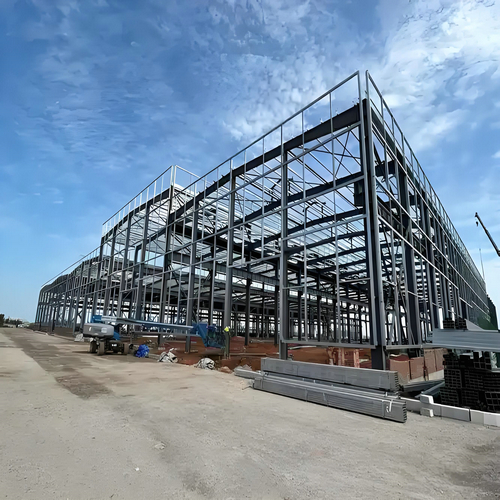
Lighting integration for large hangar spaces is optimized through pre-installed high-bay fixture mounts attached to steel roof framing during fabrication. Fixture locations are positioned based on illumination calculations for maintenance tasks performed on and around aircraft. Emergency egress lighting pathways are pre-installed within steel columns, ensuring exit path illumination without exposed conduit.
Energy efficiency for climate-controlled hangars is achieved through insulated panel systems factory-attached to steel framing. Continuous insulation layers maintain interior temperatures required for maintenance work while reducing heating and cooling loads for large-volume spaces. Rapid-closing door interfaces are coordinated with insulated panel connections to maintain thermal integrity during aircraft movements.
Construction sequencing for operational airfields is managed to minimize disruption to flight operations. Hangar erection occurs during periods of reduced aircraft movement, with crane operations coordinated with air traffic control. Component deliveries are scheduled to avoid runway approaches, and assembly activities are planned to maintain obstacle clearance surfaces required for flight safety.
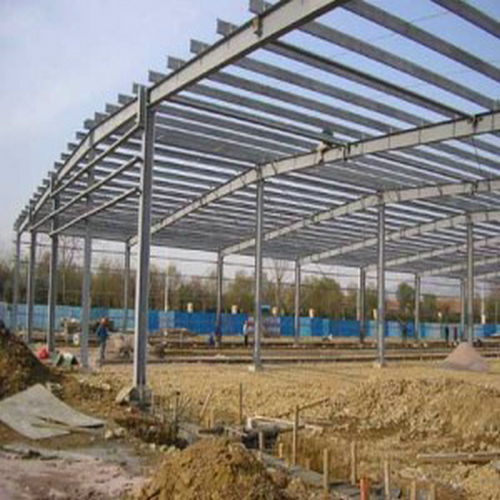
As aircraft fleets continue growing and maintenance demands increase, prefabricated steel hangar systems offer airlines the ability to add ground infrastructure on accelerated timelines. The combination of clear-span capability, aviation-specific features, and airfield-sensitive construction positions this building method for continued adoption across the aviation ground support sector.