

Manufacturing facilities now produce complete medical building components integrated with healthcare-specific infrastructure. Steel framing members include pre-installed conduit systems for medical gas lines, nurse call stations, and data networks required for electronic health records. Wall panels arrive on site with lead-lined sections for radiology suites and copper shielding for MRI rooms already incorporated into factory-assembled assemblies.
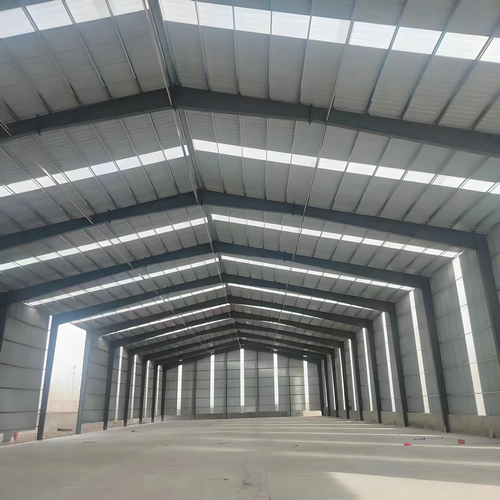
Operating room integration begins during component fabrication rather than field modification. Steel ceiling grids are pre-configured with mounting points for surgical lights, boom systems, and video integration equipment. HEPA filter housings are attached to roof steel with pre-installed duct connections that maintain operating room pressurization requirements from the moment of installation.
Infection control for clinical environments is achieved through seamless interior surfaces assembled in factory conditions. Wall panel joints are heat-welded rather than field-sealed, eliminating crevices that harbor pathogens. Floor coving is integrated into wall panel assemblies, creating continuous cleanable surfaces without separate base installation.
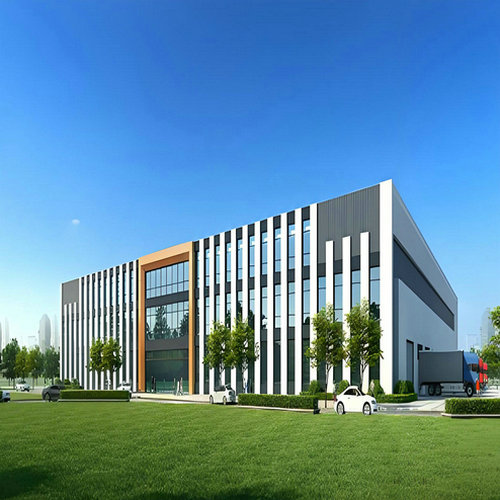
Imaging suite requirements including vibration isolation are addressed through specialized steel framing designed for sensitive equipment. MRI rooms utilize non-magnetic stainless steel components with pre-installed radiofrequency shielding. CT scanner rooms include equipment-specific mounting points coordinated with manufacturer installation drawings completed before fabrication begins.
Patient privacy and confidentiality are supported through acoustic separation integrated into wall and floor assemblies. Speech privacy between examination rooms is achieved through factory-assembled partitions tested to healthcare privacy standards. Consultation room steel framing includes pre-installed sound masking system emitters positioned for uniform coverage.
Emergency power integration begins during fabrication with generator connection points pre-welded to steel structure. Automatic transfer switch mounting locations are coordinated with column spacing and electrical room layouts. Critical circuit pathways are pre-installed within steel members, color-coded for immediate identification during field connection.
Construction sequencing for occupied medical campuses minimizes disruption to patient care. Building sections remote from emergency departments and intensive care units are erected first. Noisy assembly work is scheduled during lower patient census periods, with rapid enclosure of prefabricated systems compressing the duration of construction activity near clinical operations.
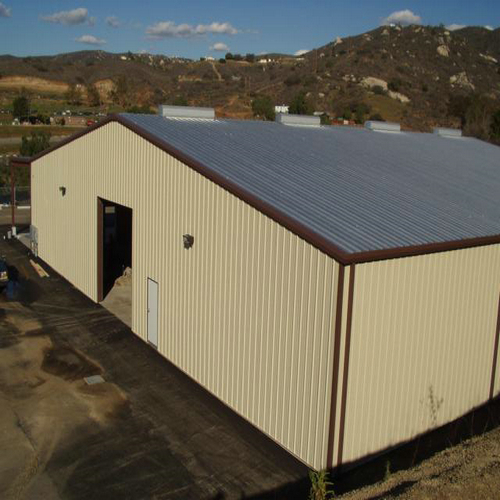
Hazard protection in medical facilities is enhanced through integrated shielding prefabricated into building assemblies. Radiation protection for linear accelerator suites includes pre-installed concrete shielding blocks within steel-framed wall systems. Isolation room negative pressure capability is incorporated into HVAC connections before delivery, eliminating post-installation balancing challenges.
As healthcare demand grows and facilities age, prefabricated steel medical buildings offer a path to expanded clinical capacity with construction timelines that support urgent community needs. The combination of healthcare-specific features, accelerated delivery, and specialized infrastructure integration positions this building method for continued adoption across the medical construction sector.